
How and where to buy a Bike in Germany #
Germany is one of the most bike-friendly countries in the world, with around 88 million bicycles nearly one per resident. Cycling is popular for commuting, leisure, and sport, making bike shopping a bit overwhelming. This guide outlines where to buy a bike in Germany and the types available.
Where to buy a bicycle in Germany? #
You can buy bicycles in Germany either new or second-hand. Here’s where to find new bikes:
1. Online Stores #
Buying online can be cheaper, but it’s risky. You’ll need to assemble the bike yourself, which can affect safety if you’re not experienced. Many find that online bikes look good but feel low-quality once assembled.
2. Physical Bike Shops #
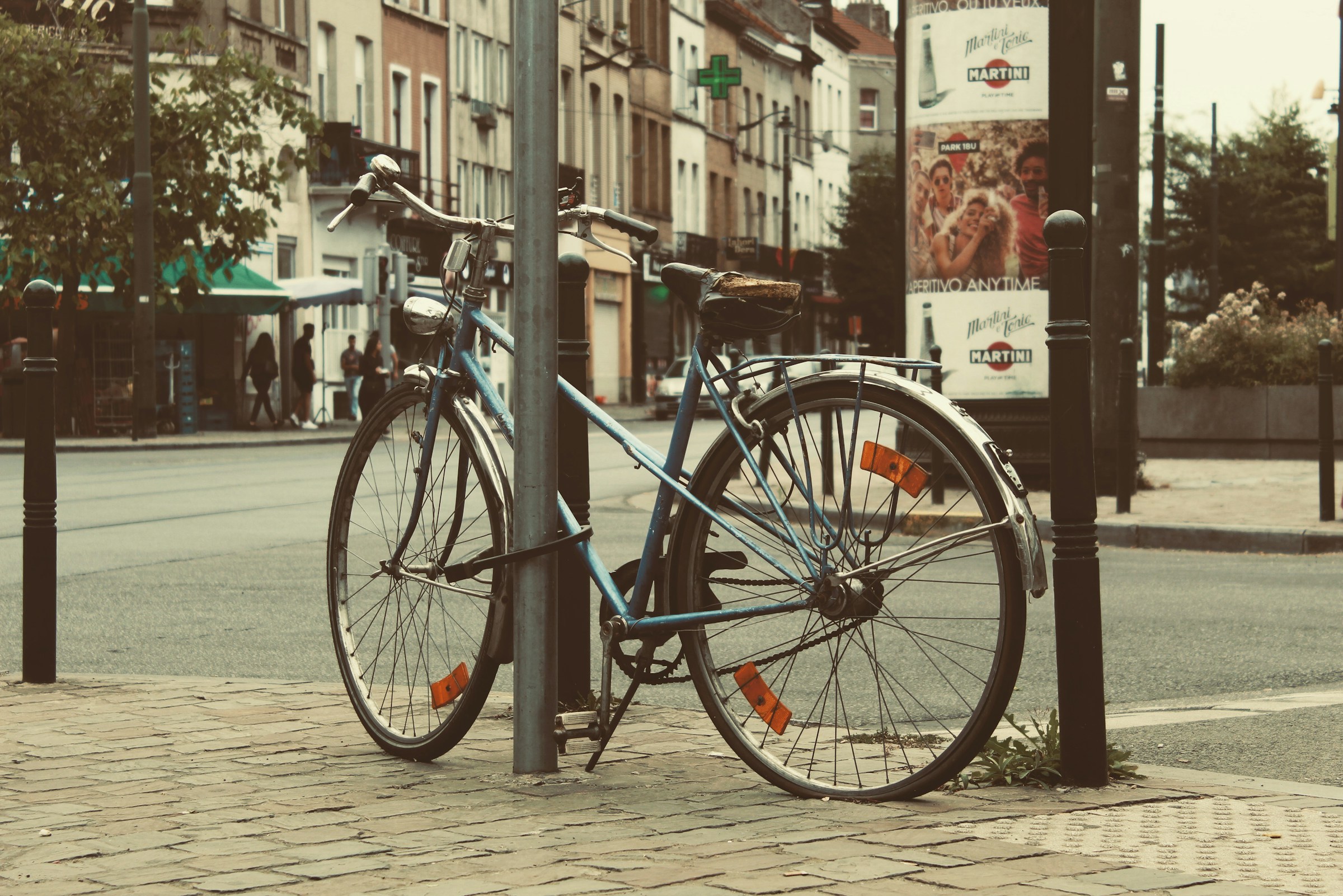
Buying from a local shop is the safest and most reliable option. You can test different models, get expert advice, and receive a warranty plus a discount on your first inspection. Germany’s largest bike retailer is Stadler (20 locations nationwide), but you’ll also find plenty of smaller local shops just search “Fahrradhändler + [your city]” on Google.
Where to buy a used Bicycle in Germany #
There are several ways to find a second-hand bike in Germany, each with its pros and cons:
1. Flea Markets #
Flea markets are a cheap option bikes can cost as little as €25 but quality and safety are often poor. Some may even be stolen, so proceed with caution.
2. eBay or Online Marketplaces #
Buying through eBay or similar sites can be a good deal if you know what to look for. Always test ride the bike and ask for a receipt or written contract to ensure it’s not stolen.
3. Bike Auctions (Fahrradversteigerung) #
Most cities hold public bike auctions for unclaimed lost-and-found bikes after six months. These can be great for finding quality bikes at low prices, and you’ll receive official proof of ownership. No matter where you buy, make sure the bike feels safe, comfortable, and reliable.
How to avoid buying a stolen Bicycle #
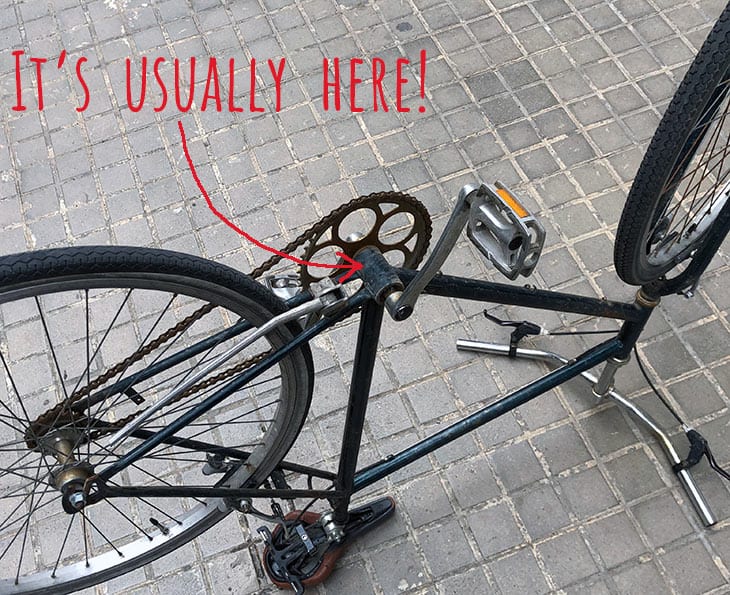
Unfortunately, many used bikes in Germany are stolen. To avoid buying one, always check the bike’s frame number (Rahmennummer) in online databases such as:
You’ll usually find the frame number between the pedals on the bottom of the frame. If the seller can’t provide it, or if it looks scratched off, it’s best to walk away the bike is likely stolen.
How to make sure your Bike is roadworthy in Germany #
Before buying a bike, ensure it meets German road safety standards or plan to upgrade it. Riding an unfit bike can lead to police fines.
According to the German Bicycle Association (ADFC), your bike must have:
- A white front light and red rear light approved under StVZO (check for the approval mark when buying).
- White front and red rear reflectors (often built into the lights).
- Working front and rear brakes.
- A bell.
- Reflective tire strips or two orange spoke reflectors per wheel.
- Two yellow reflectors per pedal.
Tip: While pedal reflectors are often overlooked, lights and brakes are essential. Removable lights don’t need to stay mounted during the day.
How much does it cost to buy a bike in Germany? #
A good-quality bicycle in Germany, suitable for regular use several times a week, typically starts at around €400–€500. Cheaper options are available, but they often lack durability and may need repairs or replacement parts sooner.
Which bike is best for Germany? #
The ideal type of bicycle for you in Germany depends largely on your purpose and how you plan to use it. According to the Bicycle Association, e-bikes were the most popular choice in Germany, accounting for 43% of all bikes sold. They were followed by trekking bikes (23%) and city bikes (12%). Among e-bikes, the most common models are mountain, trekking, and city versions, along with the increasingly popular cargo bike.
Here’s an overview of the most popular bike types in Germany and their main characteristics:
- Trekking bike – The all-rounder: roadworthy equipment, thinner tires, faster, suitable for both city streets and light off-road use.
- City bike – The comfortable option: roadworthy equipment, standard tires, slower, designed for paved roads and light gravel paths.
- Mountain bike – Built for off-road and climbing: not typically roadworthy, thicker and smaller tires, slower on paved surfaces.
- E-bike – Ideal for commuting and convenience: equipment varies depending on the specific model (e.g., city, trekking, or mountain).
To find the bicycle that best suits your needs, consider the following questions:
- Where will you ride most often? In the city on paved roads, or out in nature on trails and rougher terrain?
- What kind of riding position do you prefer? More upright and relaxed, or bent forward for a sportier feel?
- Do you want a traditional bike powered solely by your legs, or one with electric assistance?
- What is your budget? Your price range may help narrow down the types of bikes available to you.
How to register a bicycle in Germany #
Bicycle registration in Germany is not mandatory, but it can be a smart step to improve security and recovery chances in case of theft. You can voluntarily register your bike with your local police station or through the German Bicycle Association (ADFC).
The process, known in German as “Fahrradcodierung”, involves engraving a unique identification code on your bicycle frame or attaching a tamper-proof sticker. This code links the bike to your personal information, making it much harder for thieves to resell.
In addition to using a sturdy lock and securing your bike to a fixed object, registration provides an extra layer of protection. If your registered bike is ever stolen and later recovered, the police can quickly trace it back to you using the code and return it to its rightful owner.
Understand the German cycling rules #
Before you start riding your new bike in Germany, take a little time to learn the basic cycling rules. Like most things in Germany, biking also comes with clear regulations for example, when to use bike paths, how to signal when turning, and whether you need a license (you don’t).
Here are the key rules in simple terms:
- Use bike lanes whenever they are marked with a blue bicycle sign.
- Follow traffic lights and road signs just like cars do.
- Signal with your hand before turning left or right.
- Ride on the right side of the road or path.
- Use lights and reflectors when cycling at night or in low visibility.
- No headphones in both ears while riding — keep one ear open for safety.
- Children under 8 must ride on the sidewalk; ages 8–10 can choose sidewalk or bike path.
Following these simple rules will help you stay safe and avoid fines while cycling in Germany.
Do bikes get stolen in Germany? #
Yes, unfortunately, bicycle theft is quite common in Germany. In 2020, around 260,000 bicycle thefts were officially reported. However, only about 55% of those stolen bikes were insured. The average value of a stolen bicycle was roughly €730. If you’ve invested several hundred euros in a new or high-quality used bike, it’s highly recommended to get bike theft insurance.
Conclusion #
When buying a bike in Germany, think about how and where you’ll use it, as well as your experience level. Choose the bike type and place of purchase that fit your needs best. The smartest approach is to visit a local bike shop, get expert advice on the right model and size, and test-ride a few options until you find the one that feels perfect.
Enjoy your rides and stay safe
Leave your comment